Blog Article
Is Ryan Hall a Meteorologist?
Is Ryan Hall a meteorologist? Yes. Not via the most traditional path, but through daily forecasting, real-world impact, and collaboration with degreed meteorologists at massive digital scale. This post explains why titles matter less than trust when weather turns dangerous.
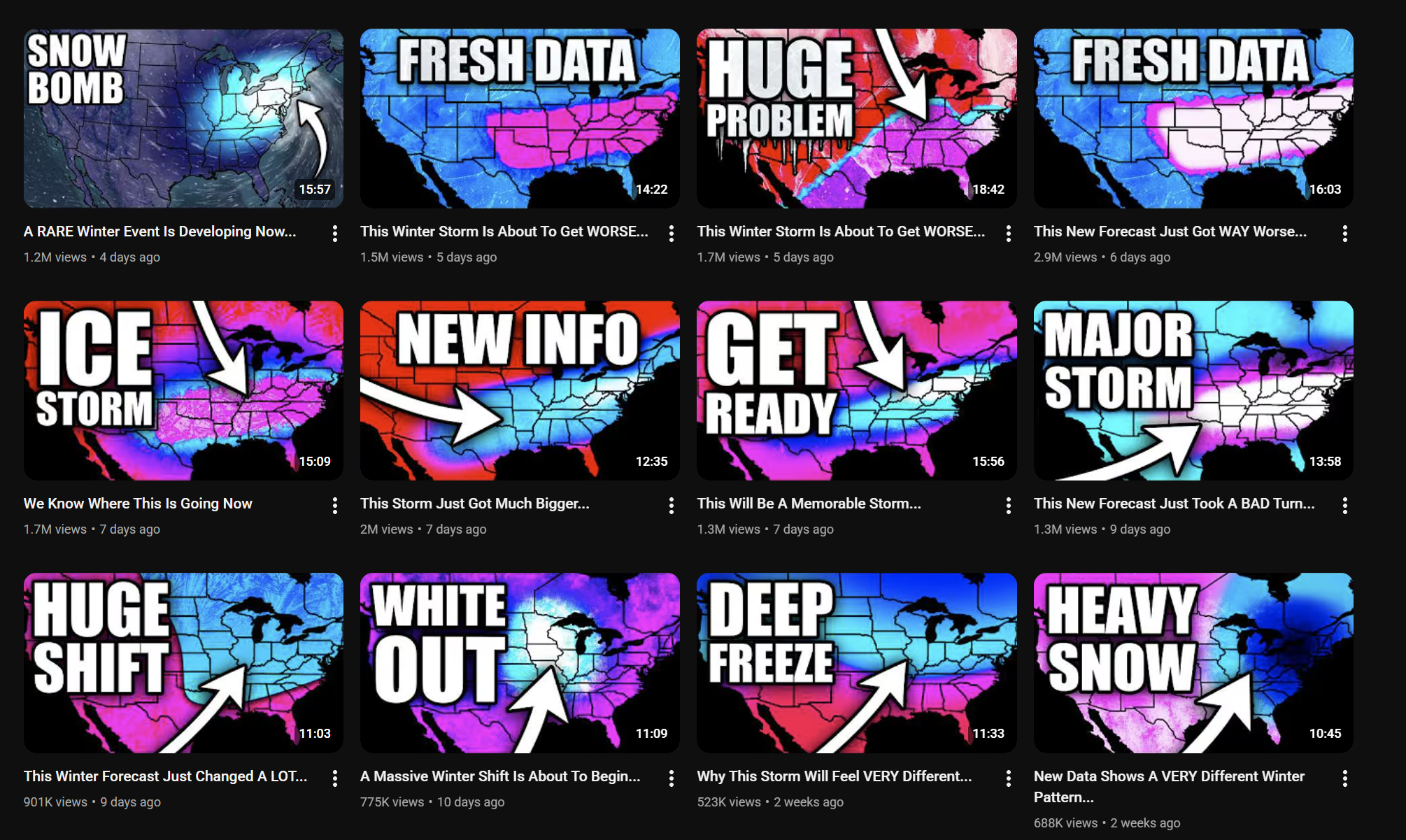
If you’re here, you probably watched one of my videos, scrolled the comments, and saw someone arguing about whether I should even be trusted to talk about the weather.
That’s fair. Weather isn’t entertainment when it’s dangerous. If you’re deciding who to listen to during a tornado or an ice storm, credentials and credibility matter.
So here’s a straight answer, without theatrics.
The short version
Yes. I am a meteorologist.
Not in the most traditional way. Not in the way some people prefer. But in the way the job actually exists in the real world today.
What people usually mean when they ask this
Most of the criticism comes down to one thing. I didn’t finish a four-year meteorology degree.
That part is true. I’ve never hidden it. I wish I had finished. College is good. Formal education is valuable. If you’re considering it, I still recommend it.
I studied meteorology at Mississippi State University and worked in a television weather center at WYMT under Chief Meteorologist Shane Smith. That experience taught me a lot. It’s also where I realized I didn’t want to spend my life in traditional TV.
At the time, YouTube wasn’t a career path for weather. Digital forecasting at scale wasn’t really a thing yet. I didn’t leave meteorology because I lost interest. I left a specific pipeline because I didn’t see where it led.
So I kept learning anyway.
What I actually do now
This isn’t a hobby for me. This is my full-time work.
Every day, I analyze weather using the same models and datasets used across the field. I forecast. I talk through uncertainty. I communicate risk. I do it live, often for hours, and often during high-impact events.
I’ve spent years working alongside degreed meteorologists. We don’t just reference them. We employ them. We build forecasts together. We sanity-check decisions together.
I also write software for the weather community. Radar tools. Data systems. Alerting infrastructure. Things meteorologists actually use.
None of that exists in a vacuum. This is professional work, done with professionals.
About the term “Digital Meteorologist”
People don’t consume weather the same way they did 20 years ago.
They don’t wait for a broadcast. They search. They watch livestreams. They want updates in real time while the event is happening.
A Digital Meteorologist is simply someone whose primary work happens online instead of on television or radio.
Same science. Same responsibility. Different medium.
If someone accepts that Fox Weather is meteorology even though forecasting is distributed across a team, then pretending digital platforms don’t count is an argument about comfort, not substance.
To the meteorologists who feel threatened
I’m not trying to take anything from you.
I respect the field. I rely on people who went the traditional route. Some of the smartest people I work with did exactly what you did.
This isn’t a competition for a limited number of chairs. The audience is massive. The need for clear, responsible communication is growing. There is room for more than one path.
Trying to gatekeep the word doesn’t protect the science. Doing good work does.
Why I push back at all
This isn’t about pride. It’s about trust.
If a tornado is approaching, I don’t want someone hesitating because they once read a comment saying I shouldn’t be trusted. I don’t want semantics to erode confidence when seconds matter.
Weather communication only works if people believe you when it counts. Letting lazy narratives linger undermines that, whether people intend it or not.
That’s why I address this instead of ignoring it.
If you still disagree
That’s fine.
You can believe meteorology should only look one way. You can prefer traditional credentials. Reasonable people can disagree about definitions.
All I ask is that you judge the work honestly. Look at the accuracy. Look at the transparency. Look at how uncertainty is handled. Look at the people involved behind the scenes.
If you do that and still decide you don’t like the label, that’s fair.
But if you’re here because you’re trying to decide whether to trust what you’re seeing during a dangerous weather event, I hope this explains why so many people already do.
Frequently Asked Questions
Is Ryan Hall a meteorologist?
Yes. Ryan Hall practices meteorology full-time through forecasting, analysis, and public communication, primarily in digital platforms rather than traditional television.
Does Ryan Hall have a meteorology degree?
Ryan studied meteorology at Mississippi State University but did not complete a bachelor’s degree. He has an associate’s degree in science and works alongside degreed meteorologists.
Is Ryan Hall a real meteorologist or just a YouTuber?
Ryan is both a digital creator and a practicing meteorologist who uses professional data, models, and tools to forecast and communicate weather at scale.
Can you trust Ryan Hall during severe weather?
Millions of viewers, emergency managers, and professional meteorologists rely on Ryan’s work during high-impact weather events.