Blog Article
Enderlin ND Tornado Upgraded to EF-5: First in U.S. Since 2013 and Questions About Rating Consistency
North Dakota's Enderlin tornado upgraded to EF-5 with 210+ mph winds after forensic analysis of train damage and extreme tree destruction. First U.S. EF-5 since 2013, but the upgrade raises questions about inconsistent tornado rating standards nationwide.
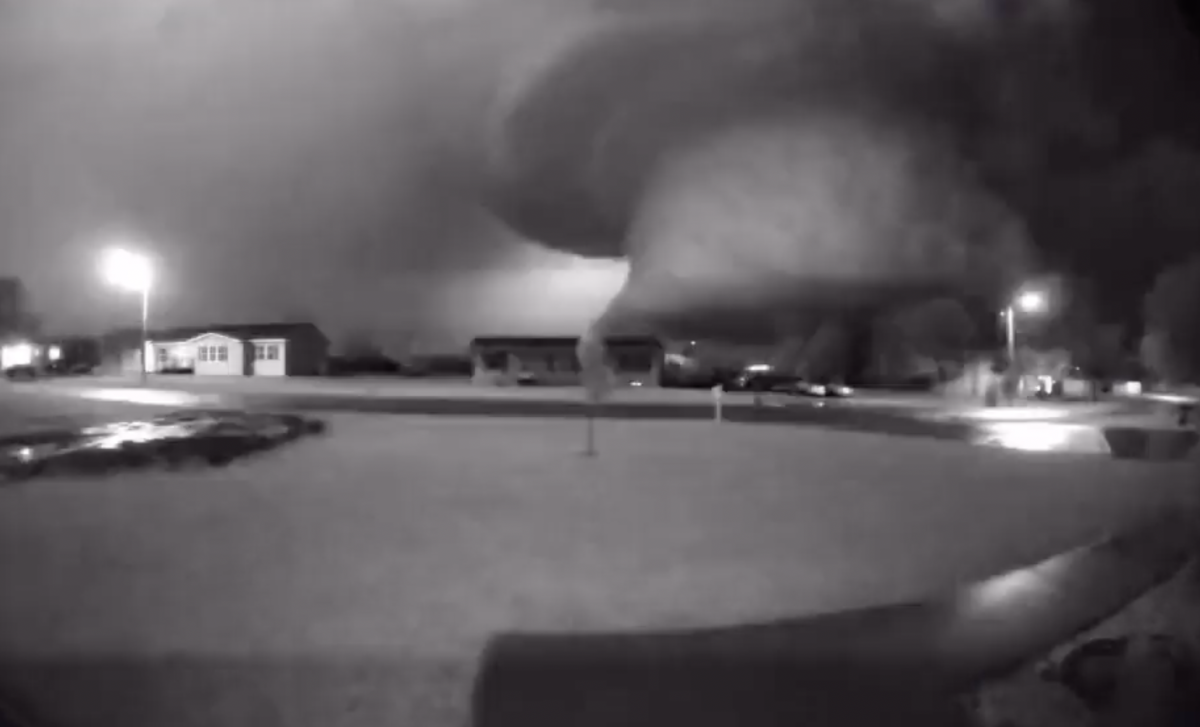
North Dakota's Enderlin Tornado Upgraded to EF-5: Why This Matters
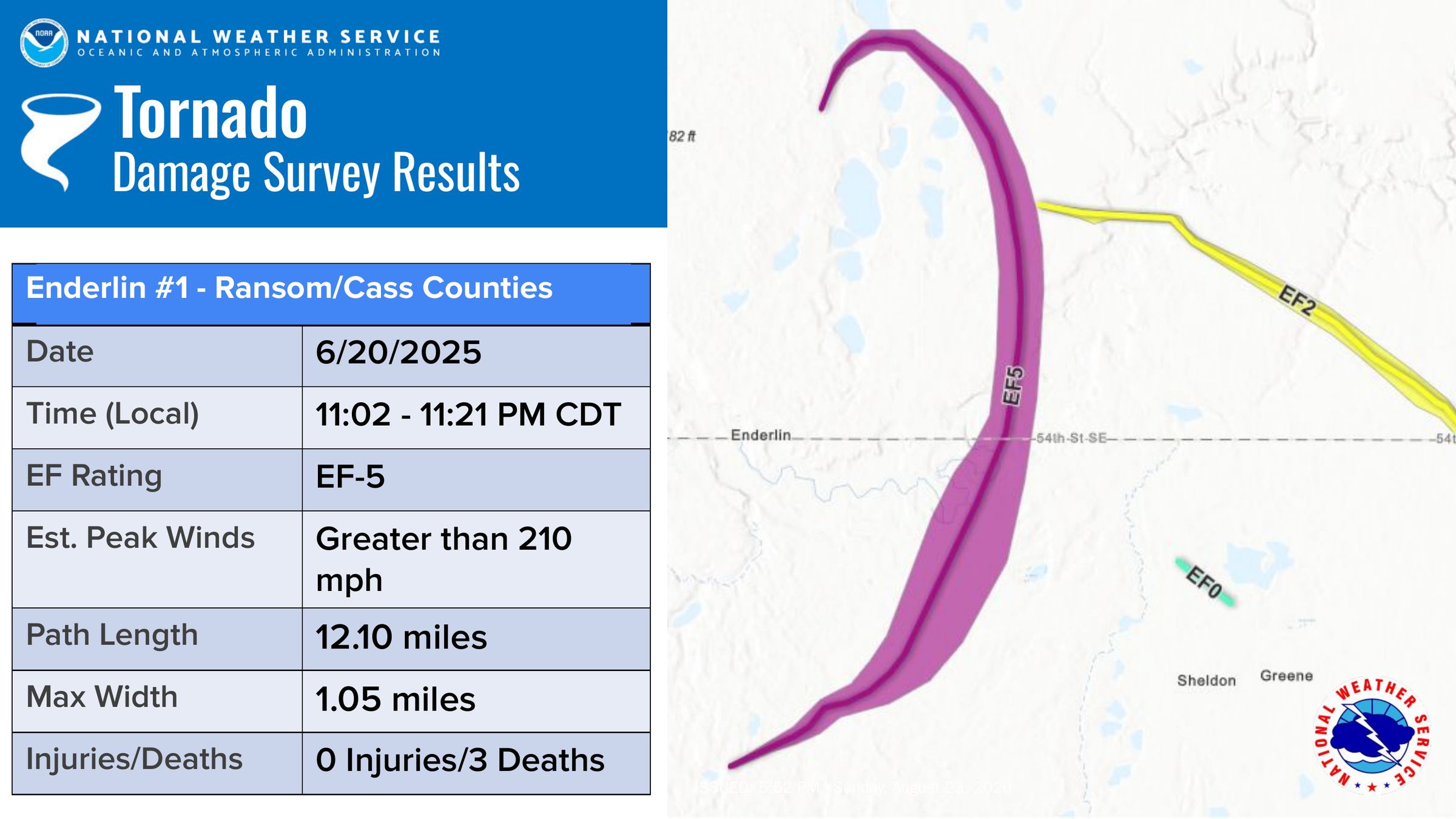
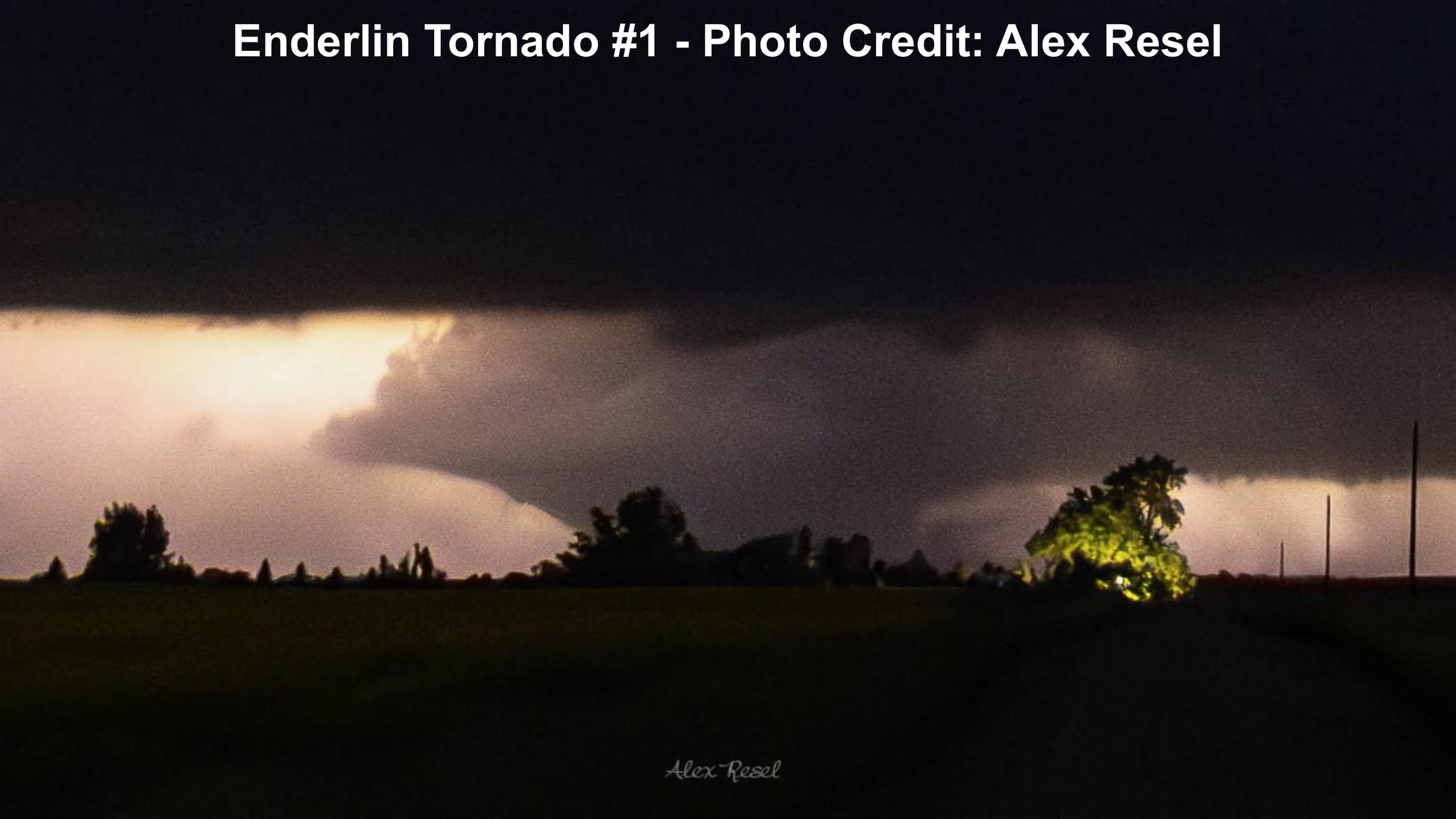
The National Weather Service Grand Forks just dropped some major news this morning: the Enderlin, ND tornado from June 20, 2025 has been officially upgraded to EF-5 status with estimated peak winds exceeding 210 mph.
This is huge. And honestly? It raises some uncomfortable questions about tornado rating consistency that we need to talk about.
The Forensic Evidence That Changed Everything
The NWS didn't make this decision lightly. They brought in the heavy hitters: Tim Marshall, Jim LaDue, Dr. Greg Kopp, Dr. David Sills, and the entire Northern Tornadoes Project team from Western University. This was a full forensic analysis involving:
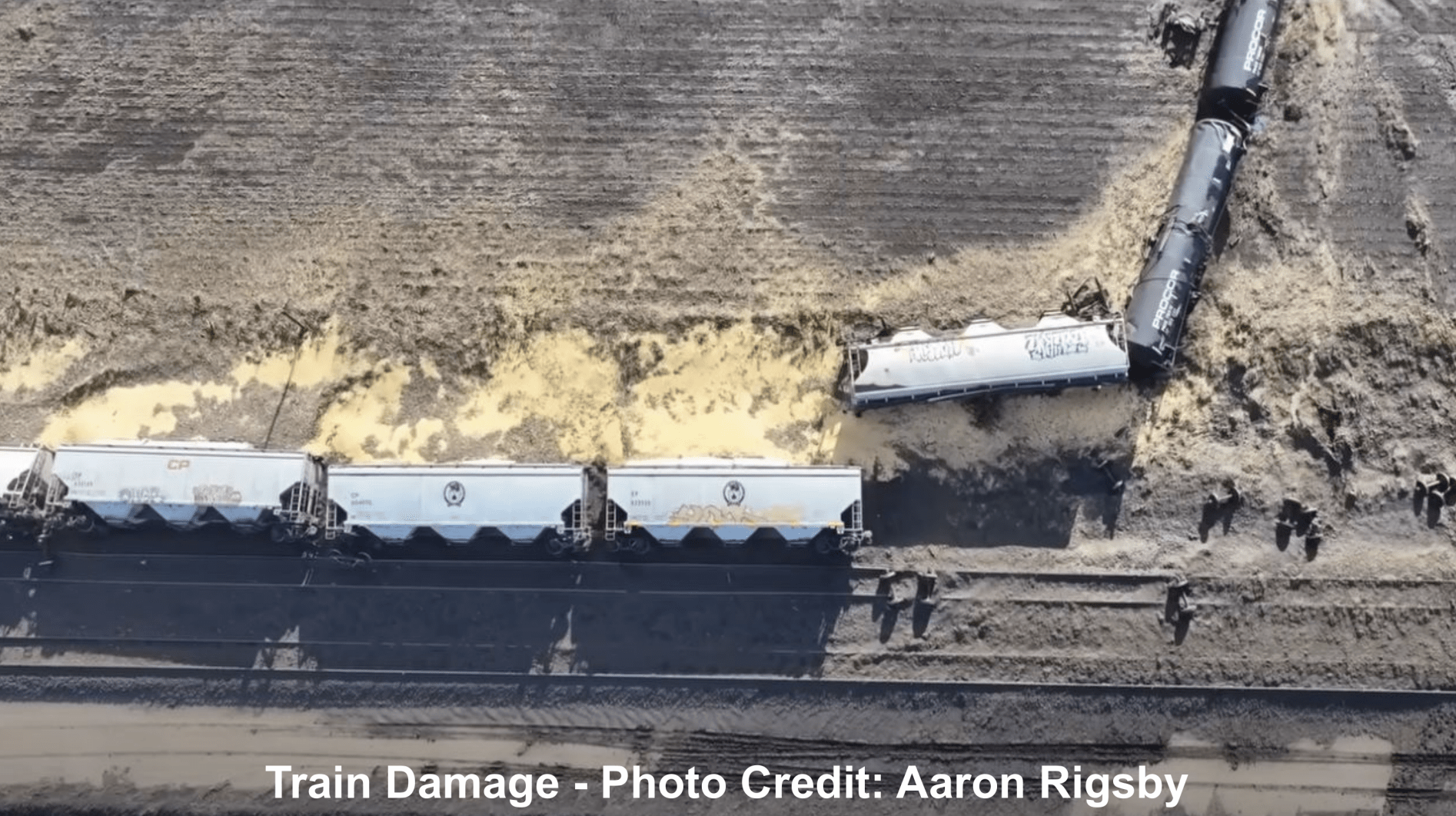
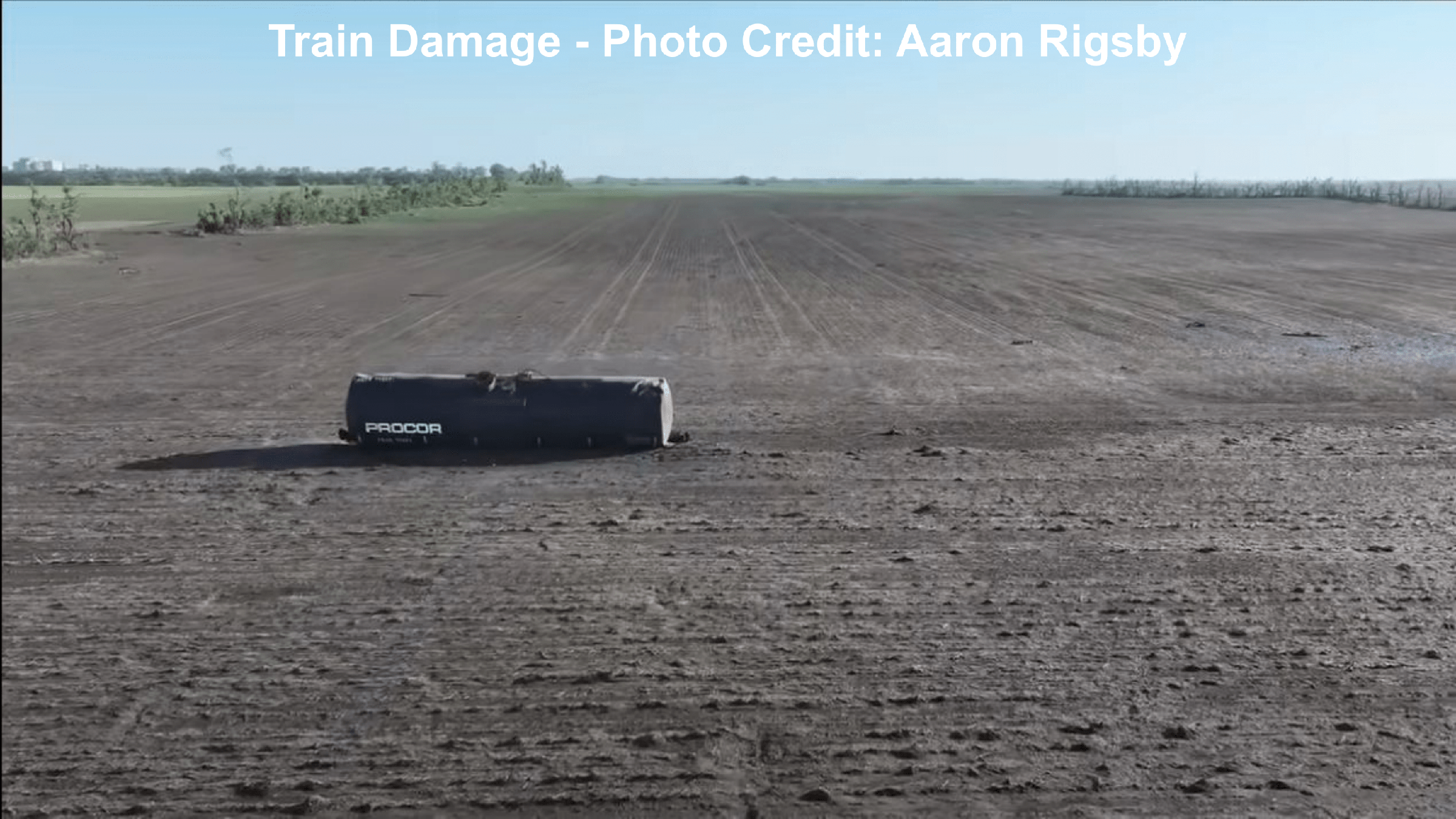
The train derailment: Multiple fully-loaded grain hopper cars were tipped and lofted. One empty tanker car was thrown nearly 476 feet (145 meters). The second image above shows the fluid dynamics calculations that helped determine wind speeds from this damage: sophisticated engineering analysis that goes way beyond just looking at destroyed buildings.
Extreme tree damage: Along the Maple River valley, surveyors found trees reduced to stubs with a "sandpapering" debarking effect. Some trees were found with their root balls displaced so far from their original locations that the original position couldn't even be determined. That's not just strong winds. That's violent, EF-5 level winds.
Foundation scouring: Farmstead #2 on Highway 46 saw complete destruction with the foundation "swept clean," a classic EF-5 damage indicator, though anchoring issues complicated the rating there.
The damage photos in the NWS report tell the story better than words can. Those grain cars scattered across bare earth like toys. The debarked, shredded trees. This was a monster.
Why This Makes Me Question Other Ratings
Here's what bothers me: Why did it take additional surveys and months of analysis for Enderlin to get EF-5, when similar or arguably lesser damage has resulted in lower ratings elsewhere?
We have the Greenfield, Iowa tornado from 2024, which also produced wiped slabs, stripped anchor bolts, and considerable ground scouring. Yet I haven't seen that one get an EF-5 rating. What's the difference?
The EF-Scale is supposed to be consistent. But it increasingly feels like there's a hesitancy to assign EF-5 ratings unless the damage is so overwhelming and the forensic evidence so ironclad that there's simply no other option. Meanwhile, other violent tornadoes with very similar damage indicators get rated EF-4.
The Engineering Makes the Difference
What ultimately pushed Enderlin over the threshold was the engineering analysis. Those calculations of wind force required to overturn loaded grain cars, combined with Doppler velocity data showing extreme rotation, provided the quantitative backup needed.
This is actually how it should work: combining damage indicators with meteorological data and physics-based analysis. But it makes you wonder: how many other tornadoes would be rated higher if they received this same level of forensic scrutiny?
The Path Statistics
- Rating: EF-5
- Peak Winds: >210 mph
- Path Length: 12.1 miles
- Max Width: 1,850 yards (1.05 miles)
- Fatalities: 3
- Injuries: 0
- Time: 11:02 PM to 11:21 PM CDT, June 20, 2025
This is North Dakota's second confirmed F5/EF5 tornado, following the historic 1957 Fargo tornado. The state has experienced several other violent tornadoes rated EF4, including events in 2007 and 2010.
What This Means
The Enderlin EF-5 upgrade is scientifically justified and well-deserved based on the damage evidence. But it also highlights an inconsistency problem in tornado rating that the meteorological community needs to address.
If we're going to require this level of forensic analysis and expert consultation to confirm EF-5 damage, then we need to be applying that same rigor consistently across all violent tornado surveys. Otherwise, we're just creating a two-tiered system where some tornadoes get the full forensic treatment and others don't.
The victims of Enderlin (three lives lost) deserve accurate documentation of what hit them. So do the survivors of every other violent tornado.
Rest in peace to those who lost their lives in this storm.
---
Data and images courtesy of the National Weather Service Grand Forks and the storm chasers credited in the official survey report.
https://ryanhallyall.com/blog/north-dakota-s-enderlin-tornado-upgraded-to-ef-5