Blog Article
Louder Than Life Evacuation: The Weather Story Behind It
Louder Than Life's evacuation is trending. Here's how it connects to the real SPC severe storm and WPC flood risk moving through the Ohio Valley and Plains this weekend.
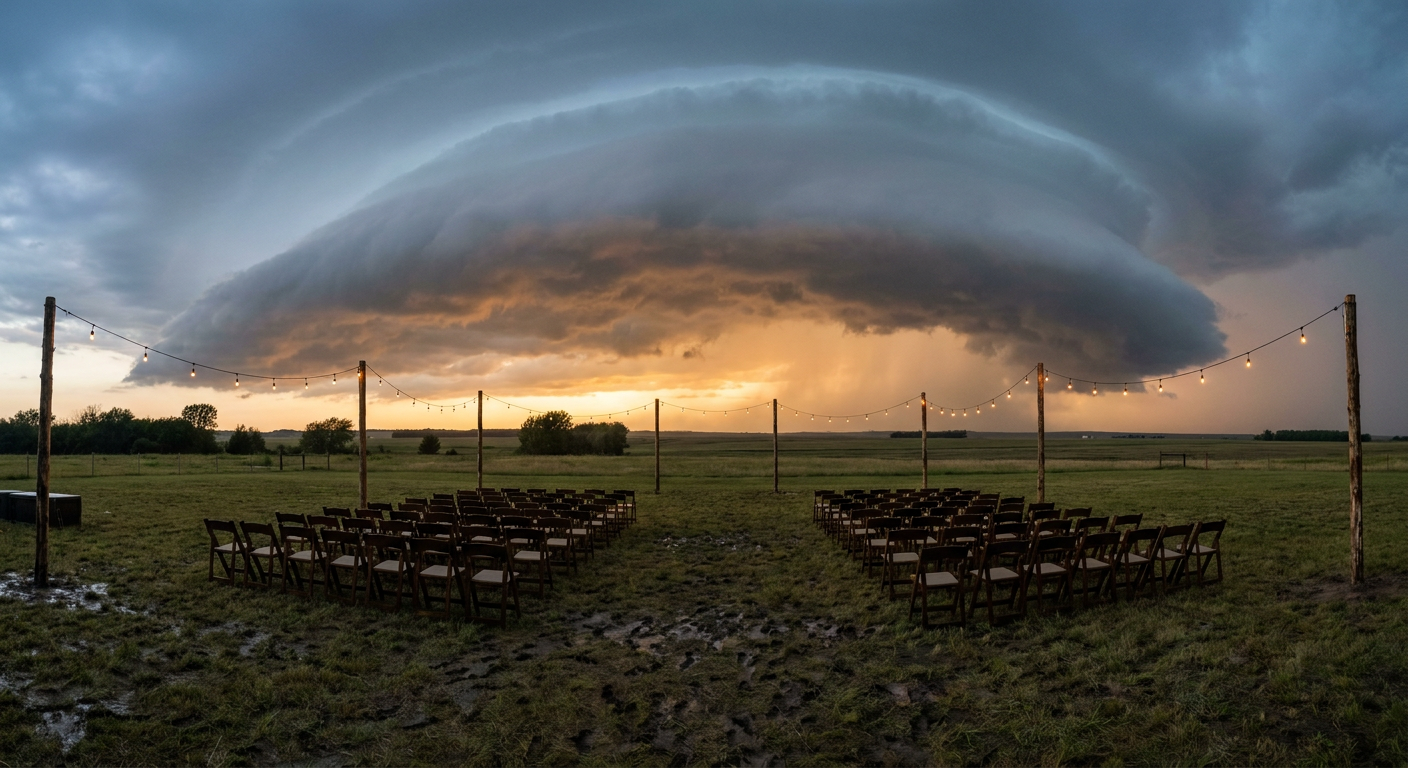
Storm Season Just Crashed Festival Season, Y'all
Get this. Thousands of rock fans were standing on the Highland Festival Grounds in Louisville today when security started walking the crowd toward the exits. Within the hour, "Louder Than Life evacuation" was pulling 500-plus searches and everybody wanted to know the same thing: what happened?
Here's the answer, and it's not some freak, out-of-nowhere blip. It's the same weather pattern we've been tracking in the Ohio Valley for days.
This Isn't a One-Off
Look at the Storm Prediction Center's own outlook and Louisville shows up by name, twice. Saturday's Day 2 outlook has Louisville, KY sitting under a Marginal Risk of severe storms, right alongside Columbus, Indianapolis, Denver, and Atlanta. Sunday's Day 3 outlook keeps Louisville in that same Marginal zone as the risk slides toward the Ohio Valley and southern Plains. Marginal doesn't mean nothing. It means isolated storms can still produce a 60 mph gust or quarter-size hail if they fire, and when you've got tens of thousands of people standing in an open field, isolated is still enough to shut things down.
And Louisville isn't alone this weekend. Atlanta's Shaky Knees Music Festival kicks off Saturday, right as that same Marginal Risk zone covers north Georgia. Festival organizers everywhere from Kentucky to Georgia are watching the same radar loop right now.
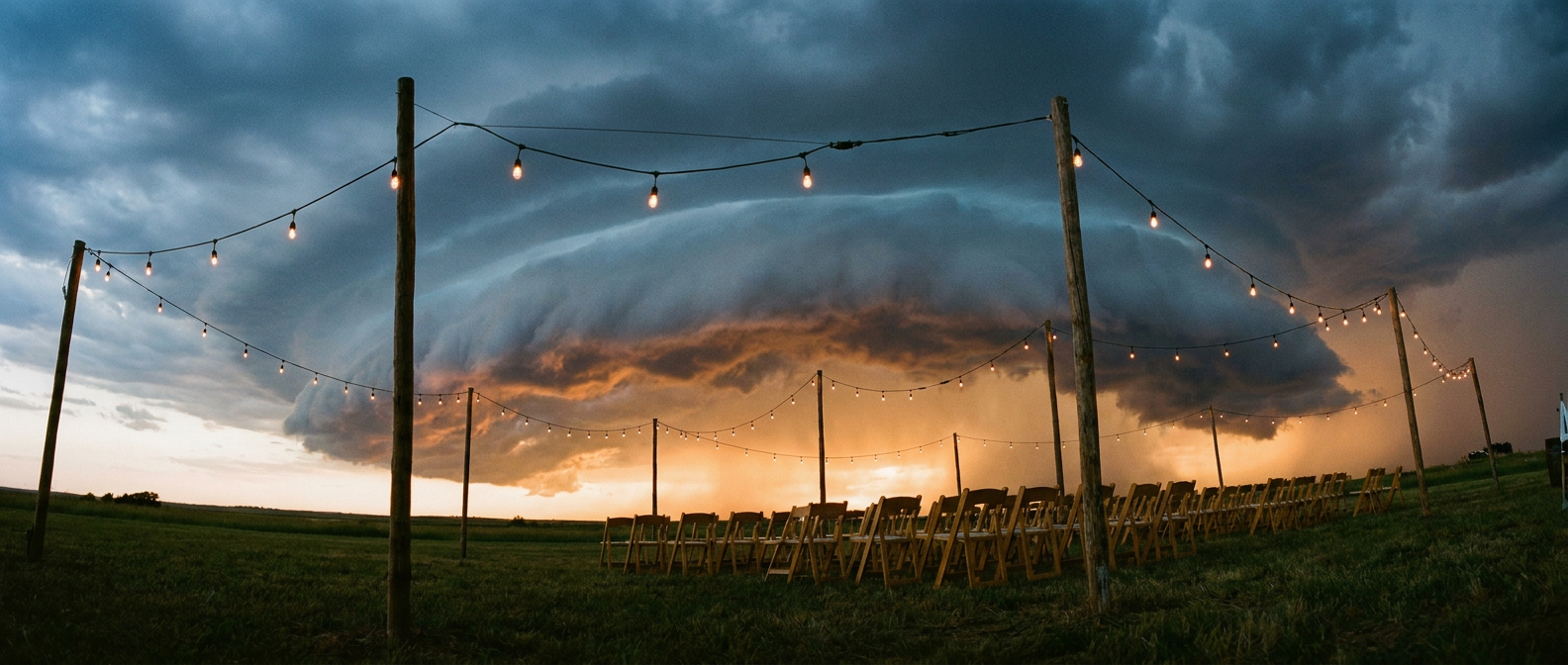
Why the Same Pattern Keeps Showing Up
We've talked about this corridor a lot this month. West Des Moines picked up 7.8 inches of rain in a day back on September 9. Southern Ohio and West Virginia saw water rescues from 4 to nearly 7 inches of rain on September 10. The northern Mid-Atlantic and southern New England got hit with 3 to 5 inches just five days ago, closing stretches of I-95 in Connecticut. That's four different flash flood events in four different states, all fed by the same basic ingredient: a warm, humid, Gulf-connected atmosphere that keeps setting up "training" storms, thunderstorms that move over the same corridor one after another, like rail cars on the same track.
Right now, the Weather Prediction Center has a Moderate Risk of excessive rainfall for Saturday across eastern Iowa, northern Illinois, southern Wisconsin, and northern Indiana, with hourly rainfall rates that could top 2 inches. That's the flooding side of this pattern. The severe storm side is what pushed Louisville's promoters to make the call today, and what's now nudging Saturday's Slight Risk of severe weather into northwest Oklahoma and eastern Kansas, where SPC is calling for scattered 60 mph-plus wind gusts and isolated hail over an inch across the central Plains.
The Southern Plains Have Their Own Problem: Heat and Dry Air
While the Ohio Valley worries about too much rain, southwestern Oklahoma and north-central Texas are dealing with the opposite. SPC's fire weather outlook flagged elevated fire danger there today, with relative humidity in the 30 to 40 percent range, long-term drought on the ground, and afternoon highs running into the upper 90s to 100s. For reference, the average high in Oklahoma City this time of year is 84 degrees. That's 15 to 20 degrees above normal, and it's exactly the kind of hot, dry, breezy setup that makes a stray spark a real problem, especially with the Oklahoma State Fair having just wrapped up in Oklahoma City and plenty of outdoor gatherings still on the calendar.
What It Means If You've Got Plans This Weekend
Fall is peak outdoor event season across this part of the country. Shaky Knees in Atlanta. The Great American Beer Festival coming up in Denver. The North Carolina State Fair and the Breeders' Cup in Lexington are both still weeks out, but they sit in the same general storm track we're watching evolve right now. None of that means cancel your plans. It means do what Louder Than Life's organizers did today: know the risk level, watch the sky, and have an exit plan that doesn't depend on guessing.
The Takeaway
A Marginal Risk on a map doesn't sound dramatic. But drop 40,000 people into an open field under one, and it's not overreacting to walk them out early. That's the system working exactly like it's supposed to. If you're headed to a fair, a festival, or a tailgate anywhere from the southern Plains to the Ohio Valley this weekend, check the outlook before you check the setlist.
https://ryanhallyall.com/blog/storm-season-just-crashed-festival-season-yall