Blog Article
Viral Texas Anchors & New SPC CIG Weather System Explained
Learn why Texas TV anchors went viral arguing about the weather, and what the new SPC Conditional Intensity Groups (CIG) mean for Friday's severe storms.
Why Those Viral Texas Anchors Are Arguing, and What CIG Means For Friday's Storms
Alright folks, I know y'all have seen that clip floating around social media today. You know the one. Those Texas TV anchors getting into a downright awkward on-air spat with their meteorologist about the forecast. It is all over TMZ and Twitter right now, and it perfectly highlights the tension of breaking weather news.
Here is the thing. Communicating severe weather is incredibly stressful. The news desk wants a simple headline, but the atmosphere is rarely simple. When you are dealing with a massive, multi-day storm system like the one that just dropped a historic Flash Flood Emergency on Dallas, the details matter.
But get this. The Storm Prediction Center just rolled out the biggest update to their severe weather outlooks since 2014, and it is going to make understanding these complicated setups a whole lot easier. It is called the Conditional Intensity Group system, or CIG, and we are seeing it used in the real world for the very first time with Friday's severe weather outbreak.
Let's dive into what this means for you and your family.
What in the World is a CIG?
If you look at the brand new severe weather outlooks, you might see tags like CIG1, CIG2, or CIG3.
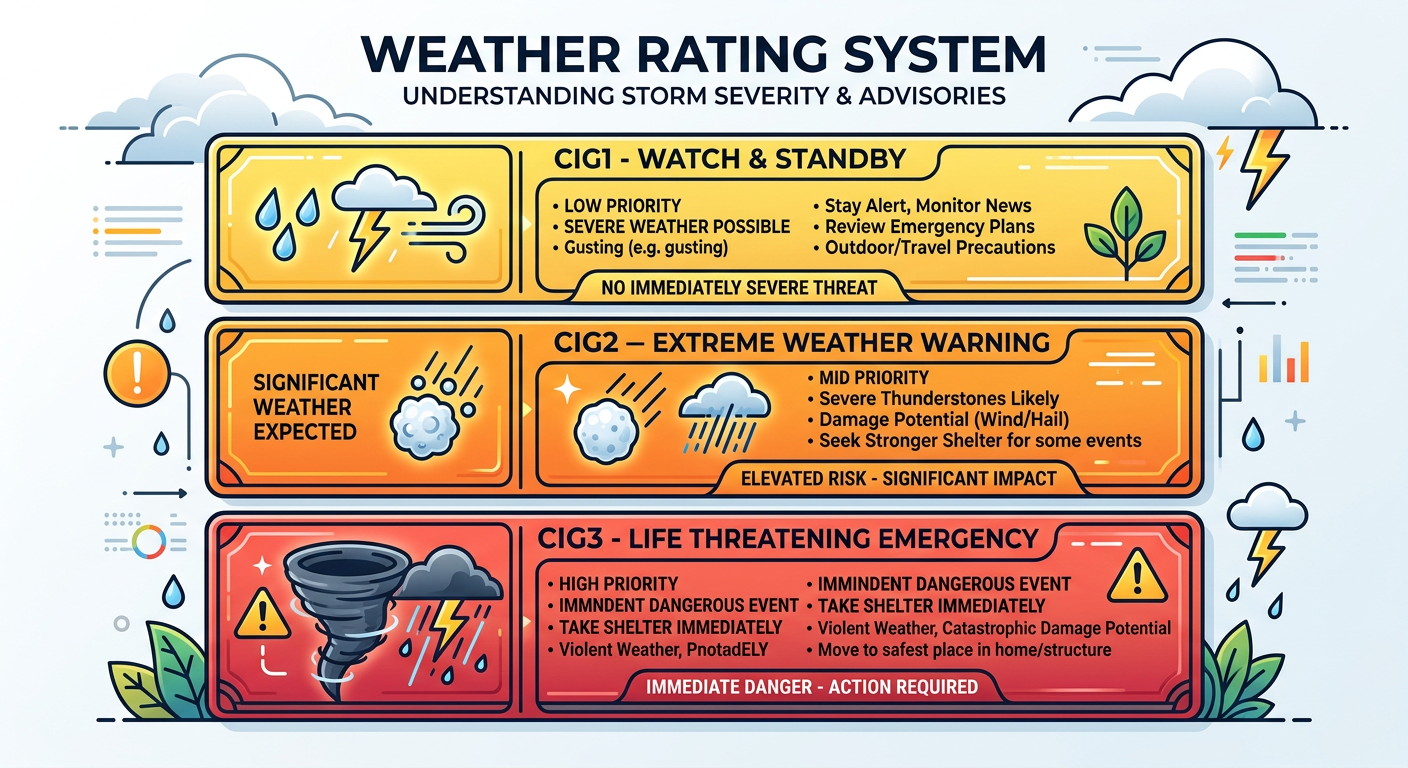
For years, forecasters struggled with a specific problem. What happens when we know a storm will be incredibly powerful, but we are just not sure exactly how many storms will actually form? In the past, the overall risk level might look low because the coverage was low, which led to people letting their guard down.
The Conditional Intensity Groups fix that. The word "conditional" is key here. It means if a storm manages to develop, this is how bad it could get.
- CIG1 means there is a notable threat for significant severe weather.
- CIG2 means the threat is even higher for top-tier severe hazards.
- CIG3 is reserved for the absolute most extreme, violent weather setups.
So, even if the map says you are only in a Slight or Enhanced risk, a CIG tag tells you that any single storm that pops up over your house could pack a massive punch.
Friday's Setup: The First Real-World Test
We are going to see this new system in action on Friday. The SPC has outlined an Enhanced Risk (that is a level 3 out of 5) for a huge chunk of eastern Kansas, eastern Oklahoma, western Missouri, and western Arkansas. This includes cities like Kansas City, Tulsa, and Springfield.
Here is where the new data comes in. The SPC has attached a CIG1 tag for both tornadoes and very large hail in these areas.
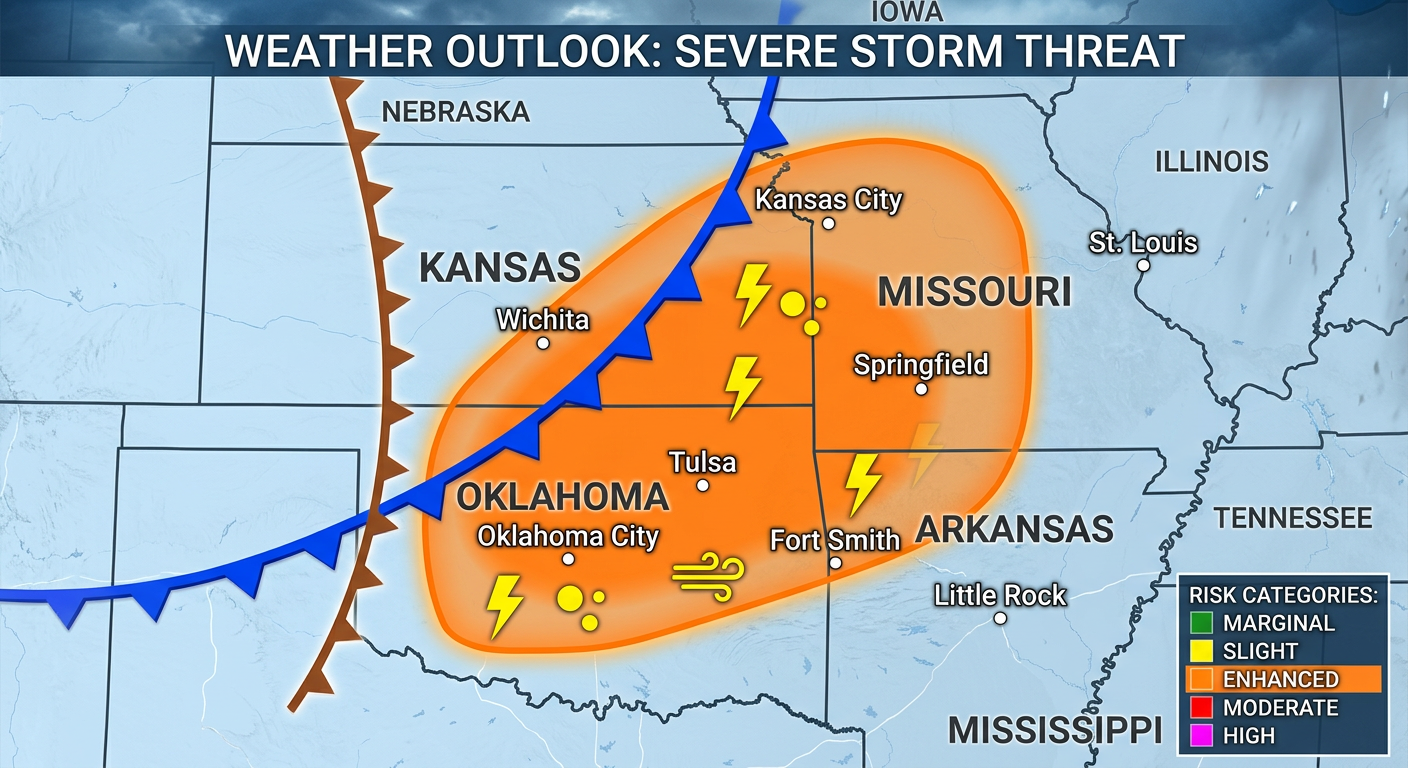
What this tells us is that while we might not see storms covering every single square inch of the map, the supercells that do manage to fire up along the dryline on Friday afternoon could drop some massive, hen-egg-sized hail and put down a couple of strong tornadoes. By Friday evening, these isolated supercells are expected to merge into a nasty squall line pushing toward the Great Lakes, bringing a huge threat for damaging winds.
It is Not Just Tornadoes
While the viral clips and the tornado threats get all the attention, we have a few other major things happening across the country right now that you need to know about:
- Ark-La-Tex Flooding: There is a Slight Risk for excessive rainfall across the Ark-La-Tex region and the Lower Mississippi Valley on Friday. Moisture levels are way above normal right now. With storms training over the same areas, flash flooding is a serious concern.
- Southwest Fire Danger: On the backside of this system, incredibly dry air is punching into eastern New Mexico, southeast Colorado, and the Texas/Oklahoma panhandles. We have a Critical Fire Weather area out there. Any spark will spread like crazy in these high winds.
- Colorado Snow: If you are waking up in Denver on Friday, expect a messy morning commute. A quick 1 to 3 inches of snow is dropping in the metro, with up to 14 inches up in the mountains.
The Big Takeaway
It is Severe Weather Awareness Week across the country, and Mother Nature is giving us a very real pop quiz.
You don't need to argue with your local TV anchor to know that Friday is a day to stay weather aware. If you live anywhere from Texas up to the Great Lakes, make sure you have multiple ways to get warnings. Download a weather app, grab a NOAA weather radio, and know exactly where your safe space is.
We will be tracking this live as the storms fire up, so keep it tuned right here. Stay safe, y'all!